Utility Billing Software Upgrade
The City of West Concord has recently upgraded its Utility Billing Software. While we’re still ironing out a few details, we expect to provide customers with online access to view, pay, and manage their accounts by mid-July.
In the meantime, if you have questions about your bill, water usage, or any related matters, please contact Beth at City Hall at 507-527-2668.
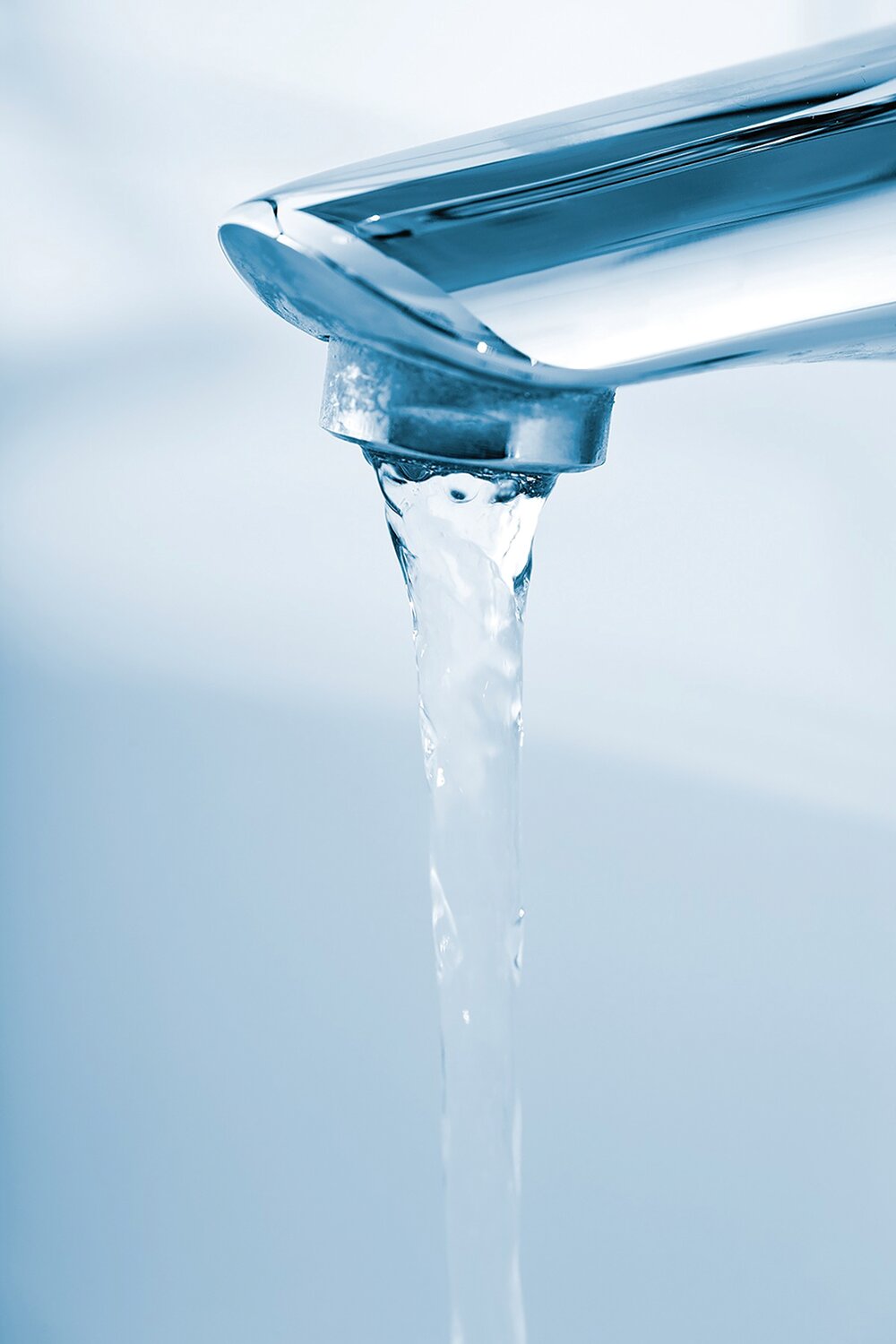
Stop Water Leaks — Save Money
Did you know that even a small, unrepaired water leak can significantly increase your water bill?
• A minor drip can waste 120 gallons per day — that’s 3,600 gallons per month.
• Toilets are a common source of leaks. A faulty seal can waste up to 100 gallons per hour.
• Even a slow faucet drip can waste 10 to 20 gallons per day.
Water-Saving Tips:
• Take shorter showers or shallow baths. Aim for 5 inches of bathwater or a 5-minute shower.
• Turn off the tap while brushing your teeth. Use a glass of water for rinsing.
• Fill the sink with a few inches of warm water to rinse your razor instead of running water.
• Run dishwashers and washing machines only with full loads.
• When hand-washing dishes, fill a second sink with clean water for rinsing rather than letting the faucet run.
• Keep bottles of drinking water in the refrigerator to avoid running the tap for cold water.
• Water your lawn only when necessary and during the coolest part of the day. Water deeply to reach the roots.
• Use a bucket of soapy water to wash your car. Turn on the hose only for rinsing.
________________________________________
Sewer Maintenance Reminder
As a resident, you play a vital role in maintaining both the City’s main sewer line and your own private sewer service line. To avoid costly blockages and backups, never flush or pour the following items down the drain or toilet:
• Diapers
• “Flushable” wipes (they’re often not truly flushable)
• Sanitary napkins or feminine hygiene products
• Rags, shop towels
• Automotive products like oil, grease, gasoline, or antifreeze
• Household items such as ashes, corrosives, glass, metals, paint, poisons, or solvents
• Yard debris like sand, soil, or mud
Why this matters:
Products labeled “flushable” often do not disintegrate like toilet paper. These materials can accumulate in sewer lines and lift stations, causing serious blockages. If a product doesn’t fall apart easily when wet or contains cloth or mesh fibers, it should go in the trash — not the toilet.
Flushing non-degradable materials, grease, or similar substances constitutes a “prohibited discharge” and is a violation of the City’s sewer use ordinance.